
Before You Start Piano Lessons: 3 Essentials Every Beginner Needs
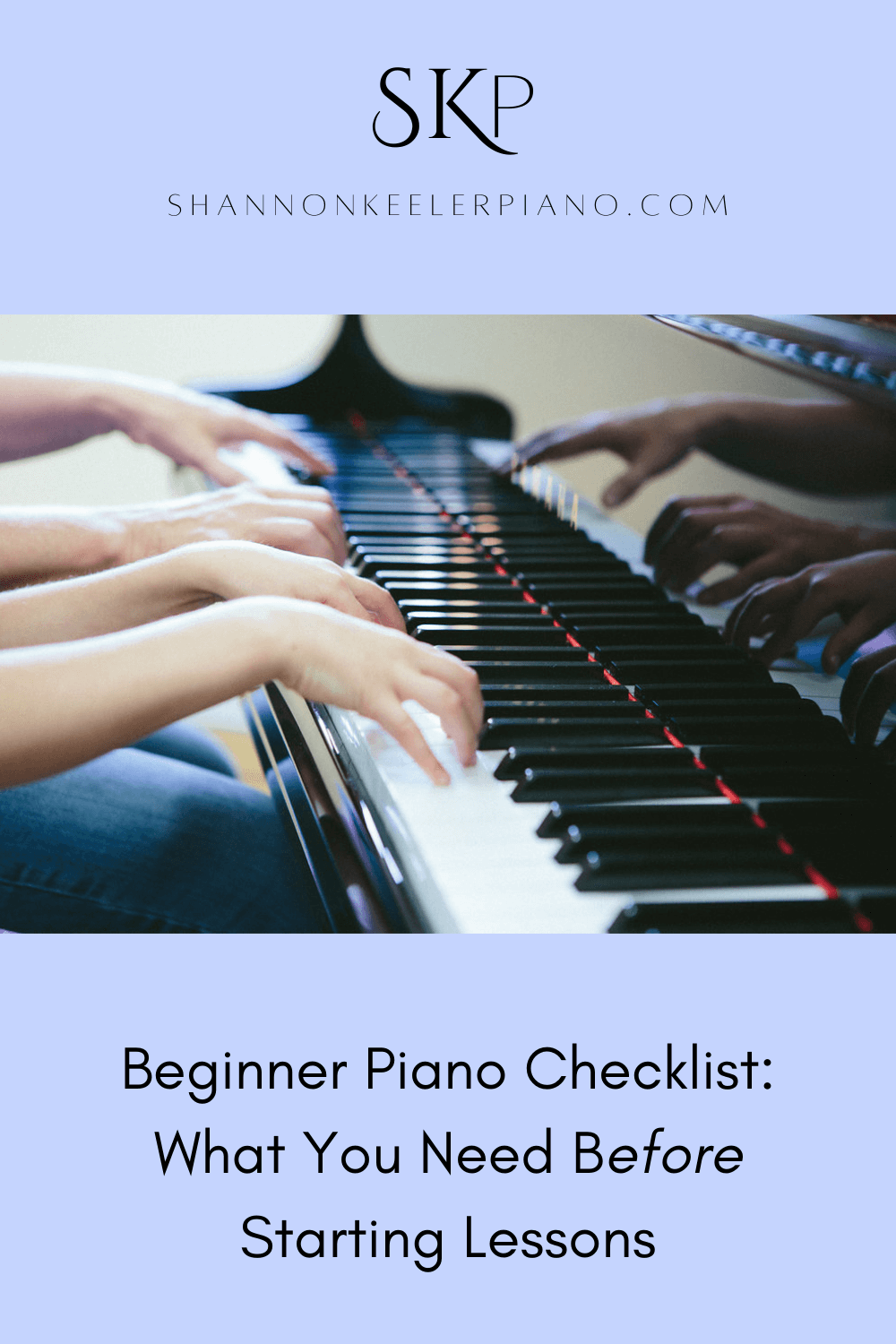
There’s no doubt about it: playing the piano is awesome. I encourage everyone—regardless of age, background, or musical experience—to give it a try.
But before you jump into lessons, there are three essentials you’ll need in place to set yourself up for success:
1. An instrument to practice on
This may sound like common sense, but it’s more common than you’d think for students to begin lessons without an instrument at home.
Unfortunately, progress simply isn’t possible without daily practice. Playing once a week in a lesson with your instructor isn’t enough
time for your fingers, brain, and ears to learn what they need to learn.
So what kind of instrument should you get?
That depends on your space, budget, and household situation:
Best option: An acoustic piano (upright or grand). It provides the most authentic touch and sound.
Need quiet practice? Consider a digital piano with weighted keys and a good set of headphones.
On a tight budget or have small children? A 76-key keyboard is a perfectly fine place to start.
If you choose a keyboard, invest in a stable X-stand or, even better, a solid furniture-style stand. This makes the instrument feel steady and comfortable—much closer to a real piano.
The key is to get something you can play now, not someday. The sooner your hands are on the keys at home, the sooner you’ll start making progress.
2. Time in Your Daily Schedule to Practice
Enthusiasm is wonderful, but even the best instrument won’t help if you’re not able to practice consistently. Like learning a language or developing strength at the gym, piano requires regular repetition to build muscle memory, coordination, and musical understanding.
Playing the piano once per week in your lesson is simply not enough to develop reflexes, cognition, and muscle memory needed to develop as a pianist.
How much time do you need?
Beginners (kids or adults): 10–20 minutes a day is plenty to start.
As your music grows in complexity: You’ll need more time to give to your daily practice. Between 30-60 minutes daily will become essential.
If you (or your child) are currently overloaded with school, work, activities, travel, or major life changes, consider waiting until things settle. Piano should be a joyful challenge—not a stressful obligation shoehorned into an already packed schedule.
3. A Knowledgeable, Supportive Instructor
Online tutorials, apps, and follow-along videos can be fun, but they aren't a substitute for a trained instructor. A good teacher will help you develop healthy skills at a realistic pace, with a clear path of study—right from the beginning.
Without this guidance, it’s easy to develop habits that lead to tension, awkward movements, stilted and non-musical playing, and confusion down the road.
Take the time to find an experienced, educated piano instructor or a reputable lesson program. The right teacher will set a pace that’s appropriate for your goals, your learning style, and your musical foundation.
Starting piano lessons is an exciting step—and with an instrument to practice on, time in your schedule, and a supportive teacher, you’ll be ready to make real progress and enjoy the journey.
Happy Playing! Shannon
Need help deciding on what piano is best for you and your situation? Click here to read my blog post: Which piano should I purchase? A beginner’s guide to piano shopping.
Need help selecting a piano teacher? Click here to read my blog post: How do you find the Perfect Piano Teacher?
Want more beginner piano tips? Keep browsing the blog for practical guides, advice, and step-by-step help for new pianists, and check out my resources for beginning and advancing pianists on my blog shop!